
Quick answer
The decision in practical terms
A strong OEM guestbook-phone project starts with a use-case brief and destination market, then converts them into a model-specific RFQ, an approved sample, measurable quality checkpoints and written change control. Do not select a supplier from unit price or a generic certificate folder alone. Verify the exact legal entity, manufacturing role, configuration, raw recording workflow, packaging, documentation, commercial terms and production evidence that apply to your order.Prepared from CHEETA-supplied product and export documentation, public standards guidance and a buyer-side RFQ and sample-approval workflow. This article explains a procurement method, not legal advice. Import, safety, labeling and privacy obligations must be confirmed for the destination market and final product configuration.
AI assisted outlining and language refinement. Product context and sourcing recommendations were reviewed against supplied CHEETA material and cited primary sources. Pexels images are illustrative and do not depict CHEETA staff, facilities or customer orders.
Begin with a project brief the factory can act on
The phrase ‘send your best guestbook phone price’ creates a weak quotation because it leaves every important variable open. A manufacturer must know who will use the product, where it will be sold, whether it will be rented or resold, how guests should interact, what the customer receives after the event and what level of customization is required. Two buyers asking for the same color telephone may need very different electronics, media workflows, packaging and support.
Write a one-page brief before contacting suppliers. Include buyer type, target countries, intended channel, audio or video format, connected or offline workflow, expected annual and first-order volume, launch window, branding scope, packaging concept and required accessories. Describe the event journey in plain language: operator loads a greeting, guest lifts the handset, recording begins, guest hangs up, file saves, operator exports and delivers. For video, add framing, local versus network behavior and expected file delivery.
Separate requirements into must-have, preferred and optional. A must-have should connect to a customer promise, regulation or operating constraint. Preferred items can be traded against cost or time. Optional ideas belong in a future-development list. This prevents the quotation from mixing an achievable launch configuration with every feature imagined during discovery.
Verify supplier identity and manufacturing role
Confirm the legal company name, registered address, export contact, payment beneficiary and the facility responsible for your order. Ask whether the company designs, assembles, manufactures, trades or coordinates subcontractors for the proposed model. None of these roles is automatically unacceptable, but undisclosed handoffs make change control and corrective action difficult.
Request a live video review or visit that follows the product flow rather than a general lobby tour. Look for incoming inspection, assembly, functional testing, sample control, packaging and nonconforming-product handling. Ask the presenter to show the exact model family or relevant telephone-product process. A factory image without date, context or product link is supporting material, not complete verification.
Check whether engineering and sales describe the same configuration. Ask who approves component substitutions, who maintains firmware or recording logic, who owns packaging artwork and who responds when an event failure is reported. Record names and roles in the project file. A responsive salesperson is helpful, but the project needs access to the people who control technical and quality decisions.
Build an RFQ that produces comparable quotations
Use the same RFQ structure for every candidate. Give each requirement an identifier so answers can be traced. Ask suppliers to respond with confirmed, alternative, needs clarification or not available rather than a general yes. Require deviations to be listed. A quotation that silently changes the storage, accessory set or packaging cannot be compared with one that follows the requested scope.
For audio models, specify greeting replacement, trigger behavior, maximum message behavior, file format, storage, export method, power, controls accessible to guests, color and surface, handset and cable, reset procedure and included accessories. For video, add screen, camera, microphone, orientation, recording settings, local and connected functions, storage, admin access, file transfer, update responsibility and network-loss behavior. Request raw recordings from the proposed configuration.
Commercial rows should cover sample cost and timing, production MOQ, quantity tiers, tooling or setup charges, payment milestones, production lead time definition, packaging, carton data, spare parts, warranty handling, Incoterm and quotation validity. Ask what can change if order quantity changes. Keep estimates clearly marked until the supplier issues a model-specific written quotation.
| Block | Questions | Required evidence |
|---|---|---|
| Use and market | Where, by whom and under which sales model? | Buyer brief and destination list |
| Guest workflow | What triggers, records, saves and ends a message? | Live demonstration and raw files |
| Operator workflow | How are greetings, events, export and reset managed? | Manual plus sample test |
| Configuration | Which exact components, accessories and software apply? | Model-specific specification and BOM control |
| Private label | Logo, color, interface, manual and packaging scope? | Artwork dielines and approved samples |
| Quality | Which inspections and tests occur at each stage? | Inspection plan, records and acceptance criteria |
| Commercial | MOQ, lead time, payment, Incoterm, spares, warranty? | Signed quotation or contract |
Define compliance by destination and configuration
Do not ask only, ‘Do you have CE?’ CE marking applies to products covered by specific EU rules, and responsibilities depend on the product and economic operator. European Commission guidance notes that importers must understand applicable requirements and verify documentation; a company selling a product under its own name may take on manufacturer responsibilities. Other markets have different frameworks. Engage a qualified compliance adviser for the final product, claims and destination.
Create a compliance matrix listing country, product configuration, power supply, radio functions if any, battery, materials, labeling, language, packaging and documentation. Ask which reports, declarations and technical documents support each row and whether the exact ordered model, components and variants are within scope. Check laboratory identity, report number, dates, model references and critical component descriptions. A certificate for a visually similar product is not automatically evidence for your configuration.
Treat branding and modification as compliance changes. A different power adapter, battery, radio module, enclosure material or firmware behavior may affect the evidence required. Establish who reviews changes before production and who updates labels or declarations. Never place an unsupported conformity mark on packaging because a competitor uses it. The buyer or importer must understand its own obligations.

Use samples to remove uncertainty in stages
A useful sample program often has three decisions: functional sample, branded sample and pre-production approval. The first proves the core event workflow and media quality. The second proves colors, logos, interface assets, manuals and packaging. The pre-production unit confirms that final components and processes can reproduce the approved result. Projects with little customization may combine stages, but the acceptance purpose should remain explicit.
Test the functional sample in a mock event. Load a greeting, record many messages with background sound and varied duration, interrupt the expected network path, approach storage limits, restart safely, export files and complete the customer delivery. For video, test low light, framing, audio synchronization and large-file transfer. Give the device to a new user without verbal guidance and record where the interaction fails.
Create an approved-sample record with dated photographs, dimensions, weight, color reference, surface notes, visible workmanship, accessory list, packaging, software or firmware identifier where applicable and raw reference files. Both parties should confirm the record. The sample is not merely a sales object; it is the reference against which production inspections and disputes are resolved.
Translate ‘good quality’ into measurable checkpoints
Quality is a system of agreed requirements, controls and evidence. ISO explains that a quality management system defines processes and responsibilities and uses monitoring, measurement and improvement to support consistent output. Certification can be useful evidence about a management system, but it does not replace product inspection or guarantee that every unit matches your private-label specification.
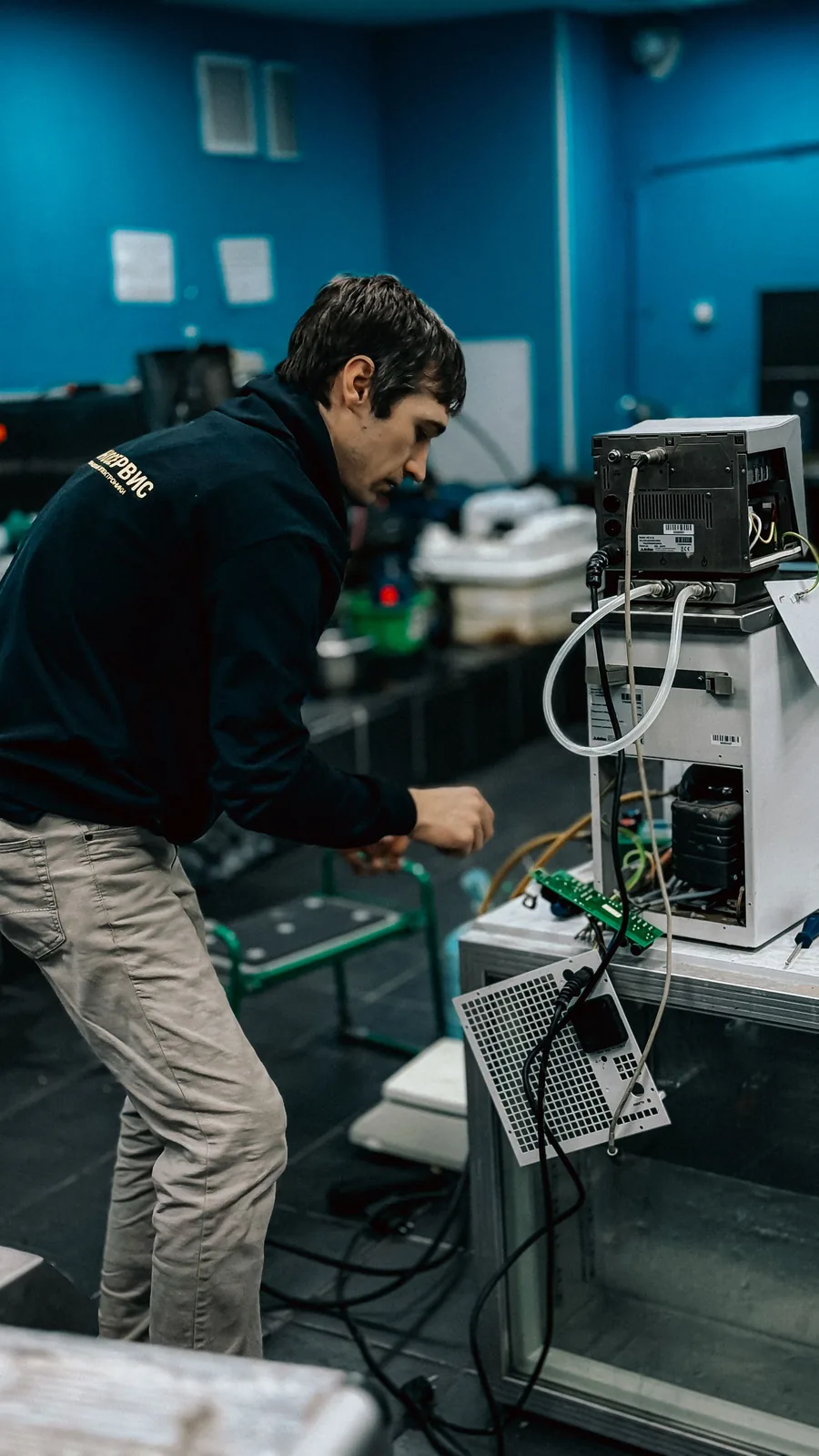
Build a control plan around failure risk. Incoming checks may cover critical electronics, storage, screens, handsets, cables, power supplies, finishes and printed materials. In-process checks may cover assembly, connector seating, fasteners, alignment and functional programming. Final checks should exercise the real guest and operator workflow: greeting, trigger, record, save, playback where applicable, export, reset, charging and safe shutdown.
Define acceptance in observable terms. Replace ‘sound is clear’ with a reference file, test environment and pass condition. Replace ‘color is blue’ with an approved physical sample or controlled color reference and viewing method. Define cosmetic viewing distance, light and defect zones. State which tests are 100 percent and which use sampling, and have a quality professional select any sampling plan appropriate to risk and agreement.
Hold a pre-production review before quantity production
The pre-production review closes open decisions. Freeze the exact model, colors, logo placement, interface assets, greeting method, accessories, manuals, labels, packaging, carton marks and approved references. List every deviation from the RFQ and sample. Confirm which supplied files are final and who has authority to approve changes.
Review critical components and approved alternatives. The objective is not necessarily to receive a confidential full bill of materials; it is to control the parts whose change can affect safety, compatibility, media quality, appearance or customer workflow. Require written notice and approval before substitution. Define what happens when a component becomes unavailable during the order.
Agree on production milestones and evidence: material readiness, first finished units, in-process findings, final inspection, corrective action and release. Clarify whether an independent inspection is required and when it can occur. Do not schedule the launch around the earliest optimistic ship date; add time for review, correction, logistics and customs uncertainty.
Control private-label details as one system
Private label includes more than printing a logo. The product color, surface, handset, startup or greeting assets, interface, manual, quick-start card, packaging, labels, carton marks and customer delivery materials should tell the same story. Create a master artwork list with filename, version, dimensions, color mode, language, owner and approval date. Old files should be withdrawn so a previous logo cannot reappear during replenishment.
Ask for dielines and print specifications before designing. Place legal and operational information first, then brand decoration. Verify barcodes with the intended system, scan QR codes from a physical proof and check that small text remains readable. If multiple markets require different languages or labels, use controlled variants with unmistakable identifiers rather than relying on staff memory.
Evaluate unboxing as an operations test. Can the rental operator identify the model and accessories immediately? Does every cable have a defined place? Can the product survive parcel distribution? Are manuals protected from abrasion and moisture? Packaging should reduce damage, missing parts and setup errors, not only look premium in a photograph.

Make commercial terms operationally precise
MOQ should be attached to a model, color, branding method and packaging variant. Lead time should state when the clock begins—deposit, artwork approval, material approval or sample sign-off—and what it excludes. Warranty should explain the claim path, evidence required, remedy, freight responsibility and treatment of accessories or consumables. Vague terms become expensive when a fleet is already booked.
Confirm payment beneficiary against the supplier entity and use a controlled process for any bank-detail change. Define ownership of tooling, artwork and custom files. Specify the language governing the agreement, inspection and release conditions, treatment of nonconforming goods and approval authority. Obtain professional legal and trade advice appropriate to the transaction value and countries involved.
Use the correct Incoterms rule and named place. ICC explains that Incoterms 2020 allocates costs, risks and obligations through 11 trade terms, but the rule does not replace a complete sales contract. Ask your freight partner to explain the practical handoff, export and import responsibilities for the selected term. A three-letter term without a named location is incomplete for planning.
Inspect evidence, not only cartons
A final inspection should use the approved specification and sample. Confirm quantity, model and variant; packaging and marks; dimensions and weight where required; appearance; accessories; manuals; and the defined functional tests. For recording products, request or create sample media from inspected units and verify export. Inspectors need the operator procedure and any required passwords before arrival.
Classify defects by agreed severity and connect each finding to a requirement. Photographs should show scale and location. Functional failures need unit identifiers, steps and resulting files. When a finding requires correction, request root cause, containment, rework method and reinspection evidence. Shipping quickly is not corrective action.
Release should be explicit. Decide who reviews the inspection report, open corrective actions, packaging evidence and commercial status. Do not let a freight booking silently become product acceptance. Preserve the release record with the purchase order and approved sample data for repeat orders.
Protect repeat orders with change control
The second order is where undocumented drift often appears. Materials change, software is updated, a supplier replaces a cable or artwork is pulled from an old folder. Create a change-notice rule covering critical components, appearance, dimensions, software, packaging, labels, production location and test method. Require the reason, impact assessment, evidence and buyer approval before use.
Maintain a product master record with current specification, approved sample images, reference files, artwork versions, accessories, carton data and open issues. Issue a new revision when an approved change occurs. The purchase order should cite the revision. This discipline allows procurement, quality and the factory to discuss the same baseline.
After launch, feed service data back into the specification. Track event failures, returns, setup mistakes, cable damage, storage issues, file-recovery incidents and customer questions. Prioritize corrective action by customer impact and recurrence. A supplier relationship becomes more valuable when both parties can convert field evidence into controlled improvement.
Red flags that deserve a pause
A low price is not itself a red flag, and a high price is not proof of quality. Concern comes from contradictions and missing control: the bank beneficiary changes without verification; the exact model cannot be demonstrated; sales and engineering describe different functions; raw files are unavailable; certificates reference unrelated models; the supplier refuses to list deviations; or production begins before artwork and sample approval.
Also pause when every question receives ‘no problem’ but no owner, date or evidence. A professional supplier may say a feature needs evaluation, a color requires a higher quantity or a document depends on configuration. Transparent constraints are more useful than unlimited promises. Record unresolved questions and prevent them from disappearing into chat history.
Finally, examine your own buyer behavior. Frequent late changes, unclear artwork, delayed approvals and price comparisons across different scopes create avoidable risk. A strong buyer supplies stable information, responds through named approvers and pays for necessary verification. Supplier quality and buyer process interact.
- Payment instructions that do not match the verified contracting entity
- A sample or report that cannot be tied to the quoted model
- No written deviation list or change-notice process
- Pressure to skip functional testing or final inspection
- Undefined software, hosting or recurring-service ownership
- Packaging artwork approved only through low-resolution chat images
Use a weighted supplier scorecard
A scorecard prevents unit price from erasing operational evidence. Choose weights based on risk. A rental operator may give greater weight to event reliability, export and spares; a private-label distributor may emphasize compliance evidence, packaging and change control. Score only what has been demonstrated and mark unknowns separately from failures.
| Category | What to score | Typical evidence |
|---|---|---|
| Product fit | Guest and operator workflow | Sample event and raw recordings |
| Engineering | Configuration clarity and problem solving | Technical responses and controlled changes |
| Quality | Process, tests and corrective action | Control plan, records and inspection response |
| Compliance | Destination-specific evidence readiness | Model-linked reports and declarations |
| Private label | Artwork, color and packaging control | Branded sample and version list |
| Commercial | Clear terms and sustainable landed cost | Comparable written quotation |
| Communication | Ownership, timing and transparency | Action log and named approvers |
The purchase-order readiness checklist
Issue a production order only when the technical, quality, artwork, compliance and commercial baselines agree. A purchase order cannot repair an ambiguous sample. Keep one owner for the readiness review and require open items to be consciously accepted, not forgotten.
- Legal entities, payment beneficiary and contacts verified
- Final use case, market and configuration identified
- Model-specific quotation and deviations approved
- Functional and branded samples accepted with records
- Raw media and full operator workflow verified
- Compliance matrix reviewed by qualified market advisers
- Quality plan, inspection criteria and release authority agreed
- Artwork, labels, manuals, packaging and carton marks frozen
- Critical changes require prior written approval
- MOQ, lead time, payment, Incoterm, spares and warranty documented
- Logistics, import and launch contingency included in the schedule
Source a repeatable product, not a one-time sample
The objective of OEM sourcing is not to receive one attractive unit. It is to create a controlled system that can produce the same customer experience across an order, a busy rental season and future replenishment. That requires a clear brief, comparable RFQ, evidence-based sample, measurable tests, controlled private label and disciplined change management.
A capable manufacturer should help turn market requirements into a manufacturable configuration and identify tradeoffs honestly. A capable buyer should define the destination, workflow and acceptance evidence. When both sides work from the same approved baseline, price becomes one part of a durable commercial decision rather than the only number in the room.
Buyer questions
Frequently asked questions
What MOQ should I expect for a private-label guestbook phone?
There is no responsible universal figure. MOQ depends on the model, color, branding method, electronics, packaging and material commitments. Ask for sample, pilot and production quantities tied to the exact customization scope, then obtain them in a model-specific quotation.
How do I know whether a supplier is a manufacturer?
Verify the legal entity and payment beneficiary, ask who designs, assembles and tests the proposed model, and review the product flow live or on site. Focus on disclosed responsibility and process control rather than relying on a single label such as factory or trading company.
Is a CE certificate enough to import guestbook phones into Europe?
No generic answer is sufficient. CE marking applies under specific EU rules, the required evidence depends on the final product, and importers or private-label sellers can carry significant responsibilities. Build a model-and-market compliance matrix and obtain qualified advice for the final configuration.
What should I test on an audio or video guestbook sample?
Test the complete event workflow: greeting, trigger, message capture, save, network loss where relevant, storage, restart, export, backup, reset and customer delivery. Use realistic sound, lighting, message volume and first-time users, and preserve reference media from the approved sample.
Should I hire a third-party inspection company?
That depends on order value, risk, buyer capability and supplier controls. If used, provide the approved specification, sample references, functional procedure, defect definitions and required evidence. An inspection company cannot create acceptance criteria that the buyer never defined.
Evidence and further reading
Sources
- ISO: ISO 9001 explainedPrimary overview of quality-management systems, process control, measurement and improvement.
- ISO 9001 in the supply chainISO guidance on understanding quality-management claims in supplier relationships.
- European Commission: Importers and distributorsPrimary guidance on importer responsibilities and private-label implications in the EU.
- ICC: Incoterms 2020Primary overview of the 11 ICC trade rules and their allocation of costs, risks and obligations.